
Pharmaceutical safety in Denmark is high. As long as you buy your prescription medicines from a pharmacy, you can trust that they are genuine and have been authorised. You can also buy over-the-counter medicines without a prescription in physical shops and on the internet. Both the physical shops and online shops must be authorised by the authorities. On this page, you can learn to protect yourself when you buy medicines – whether from a pharmacy, a retail shop or an online retailer.
Theme
Why it’s important to protect yourself when buying medicines
Prescription medicines may only be sold by pharmacies (including online pharmacies), and you need a prescription to buy them. You can also buy over-the-counter medicines without a prescription in physical shops and on the internet. As for over-the-counter medicines, both the physical shops and online retailers must be authorised by the authorities before they may sell them legally.
Sadly, illegal and potentially dangerous medicines are also sold online, especially on foreign websites over which the Danish authorities have no control. The products sold could be illegal counterfeit medicines or medicines that are not authorised in the EU. At worst, they could be falsified products containing substances that could seriously harm your health.
As a user, it’s important that you protect yourself and think twice when you buy medicines. But knowing when it’s safe and sound to buy something online is far from easy, as many websites look like the real thing even though they are fake.
5 tips for buying medicines safely
Only buy medicines from pharmacies or authorised retailers
Pharmaceutical safety in Denmark is high, thanks to a common European system, which ensures that the medicines we all get from pharmacies, hospitals or authorised retailers are real, pure and safe to use.
Medicines are carefully controlled and monitored throughout their lifecycle – from development, manufacture, distribution and dispensing to the medicine user. Tests are done to verify that the medicine contains its declared active ingredients and that it is manufactured, supplied and stored correctly.
Each link in the supply chain must be authorised by the authorities and fulfil many requirements. They are inspected regularly with every link checking the next one when the medicine is transferred from one link to the next.
As a patient, you can therefore trust the quality and authenticity of the medicines you buy from pharmacies and other authorised retailers.
Prescription medicines must only be sold from pharmacies where the pharmacy staff can advise the customers on how to use the medicine correctly. The pharmacy staff ensure that the medicine is dispensed in the form, strength and quantity prescribed by the doctor. The staff are trained and required to ensure medicine safety, as they are the last link in the chain after manufacturers, suppliers, and wholesalers, before handing the medicine over to the customer.
As a medicine user, this is all you need to remember: Never buy your prescription medicines from anywhere other than a pharmacy, and only buy over-the-counter medicines at pharmacies or authorised retailers. If you stick to this, you’ll protect yourself and your patient safety.
Below: Mette Paradiis Veje, Head of Unit, Danish Medicines Agency, goes through the medicine’s journey from production site to pharmacy.
See a doctor before buying prescription medicines
The reason some medicines are prescription medicines is that it’s important to find out why you’re ill to get a medicine that is suitable for you. That’s why you must see a doctor to be examined and to get a prescription.
Medicines both have treatment effects and side effects that you and your doctor will need to consider carefully before you start using a medicine. You might be intolerant to some ingredients. You might have a particular health condition to take into account. The medicine might even interact with other medication you are taking.
The doctor must determine the dose, strength and pharmaceutical form for you. The length of treatment should also be decided along with a plan for gradually reducing your dose if needed. Some medicines come with restrictions. For example, certain medicines may only be prescribed by a medical specialist, some should not be taken while driving, and there may be other circumstances you need to be aware of.
So, the prescription requirement exists to make sure you receive a treatment that is right for you, that your tolerance to the product is checked, and that it is properly dosed. The conversation with your doctor also ensures that you become aware of the side effects you may experience, so that your treatment is carefully considered and explained to you. This is crucial to your patient safety.
As a patient, this is all you need to remember: Never take prescription medicines unless they have been prescribed to you personally after having consulted a doctor. If you stick to this, you’ll protect yourself and your patient safety.
Below: Line Michan, Director of Department, Danish Medicines Agency, goes through the meaning of the prescription requirement.
Prescription medicines must NOT be given or sold to others
You are putting your own health and that of others at risk if you in any way assist in the use of prescription medicines by anyone other than the person they were prescribed for. It doesn’t matter if you are the one giving/reselling the medicine or the one receiving/buying the medicine.
The resale of prescription medicines is prohibited and may result in imprisonment. This applies equally to organised criminals who sell large pharmaceutical quantities on the black market and to individuals who sell their own medicines to others.
You are also not allowed to give your prescription medicines to others for free, regardless of your best intentions. Even though the medicine was of great benefit to you and you didn’t have any serious side effects, there’s no way of knowing if other people will tolerate the same medicine. You risk causing harm to other people if you share your prescribed medicines with others.
If you see posts about the sale of medicines on a non-authorised website or on social media, please report it to us via this website: Report suspected illegal sale of medicines
Below: Short video explaining the rules on the resale and giving of prescription medicines to others.
Verify that the medicine is sold legally
More and more people are buying online, and medicines are no exception. Sadly, medicines are also sold illegally online, and, at worst, the products sold are falsified and dangerous to use.
Many websites look like the real thing even though they are illegal. So, it’s important that you protect yourself if you buy medicines online, and that you pay attention to the rules that apply to importing medicines to Denmark.
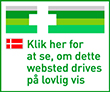
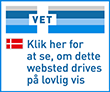
It is legal to buy over-the-counter medicines from a website registered in an EU country and authorised by an appropriate EU authority. Authorised EU websites will either display a green logo if the online retailer is licensed to sell medicines for human use, or a blue logo if the online retailer is licensed to sell medicines for veterinary use.
The logo must be clickable and should take you to the authority having authorised the online retailer. The rules for the sale of medicines vary across the EU countries. Online retailers must comply with the rules in force in the country in which they are registered and where the national competent authority approved the website.
You are responsible for checking that the medicine is sold legally in the country you buy it from – whether you buy it online or on a journey abroad and bring it back in your suitcase. More details about the rules for importing medicines to Denmark are given here: Medicines imported from abroad
(laegemiddelstyrelsen.dk)
Below: Short video on the safe buying of medicines online
It is prohibited to sell medicines on social media
As a patient, you share responsibility for your own medicine safety. If you buy medicines outside the safe framework of the established system, you are taking a risk that could have consequences for your health.
You are taking a risks if you buy prescription medicines from anywhere other than a pharmacy and use them without consulting a doctor first.
You are also taking a risk if you give/resell medicines to others or receive prescription medicines that haven’t been prescribed to you.
Finally, you run a big risk if you buy medicines on social media or from other online retailers that sell medicines illegally.
The selling or advertising of medicines on social media is prohibited and includes all types of medicines – both over-the-counter and prescription medicines. Likewise, it is also prohibited to use the logo of the Danish Medicines Agency or any other authority to recommend the products you are selling.
Think twice before you buy. Protect yourself and your patient safety.
Below: Remember that it is illegal to sell medicines on social media.


Report suspected illegal sale of medicines
You can report it to us if you suspect illegal activities involving medicines or pharmacies. Find out how on this page:
Report suspected illegal sale of medicines
(laegemiddelstyrelsen.dk)
Useful tips for buying medicines

Buying and selling of medicines online
If you buy medicines online, a few good tips will keep you safe. Read more on this page:
Buying and selling medicines online
(laegemiddelstyrelsen.dk)

Pharmacies selling medicines legally online
Check this list of online pharmacies licensed by the authorities. Read more and see the list on this page:
Pharmacies selling medicines legally online
(laegemiddelstyrelsen.dk)

Authorised retailers selling human medicines online
Check this list of retailers allowed to sell medicines for human use. Read more and see the list on this page:
Authorised retailers selling human medicines online
(laegemiddelstyrelsen.dk)

Authorised retailers selling veterinary medicines online
Check this list of retailers allowed to sell medicines for veterinary use. Read more and see the list on this page:
Authorised retailers selling veterinary medicines online
(laegemiddelstyrelsen.dk)

Medicines imported from abroad
If, as a private individual, you import medicines to Denmark, there are certain rules that you should be aware of. Read more about the rules here: